Open Format
Why choose an Open Format?
Choose Open Format when you want to explore creative ways of engaging your audience with an environmental issue. It gives you the freedom to experiment with how people experience, interact with or respond to your message through formats such as games, comics, artwork, installations, creative writing, interactive experiences or mixed media.
Environmental communication can take many forms, and the most effective format depends on what you want to communicate, who you want to reach, and how you want to engage them. The Open Format category creates space for young reporters to explore forms of communication beyond article, photo, podcast and video formats.
Work could include paintings, illustrations, comics, poetry, creative writing, sculptures, installations, theatre or performance, games, interactive or digital media, AI-supported creative works, mixed media like songs or musical videos, or other innovative formats.
The core of any YRE work should always be: investigating an environmental issue, exploring solutions, developing an original idea and intentionally choosing how best to communicate it to a relevant audience.
The format is open; the purpose remains environmental communication led by young people.
Open Format entries by Young Reporters
1. Video Game
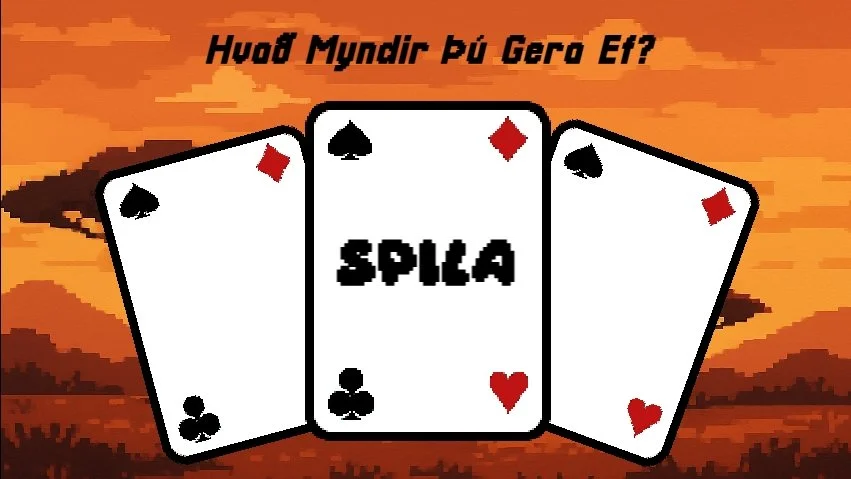
Title: What Would You Do?
Students: Stormur Snorrason, Tómas Logi Helgason, Húgó Heiðreksson, and Elías Bjarni Jensson
Country: Iceland
At Tækniskólinn, a junior college in Iceland, Young Reporters for the Environment used a creative platform to raise awareness of the United Nations Sustainable Development Goals (SDGs).
The students created a computer game where players are presented with real-life scenarios and different possible outcomes linked to the SDGs. Each choice demonstrates how everyday decisions can have an impact on both the environment and society.
Example scenario:
A factory pollutes a river but provides employment for many people. What would you do?
Keep the factory open, despite the pollution
Close the factory, resulting in job losses
Invest in more expensive green technology
2. Artwork
Title: The Hands of Gaia (Gaea)
Student: Celeste
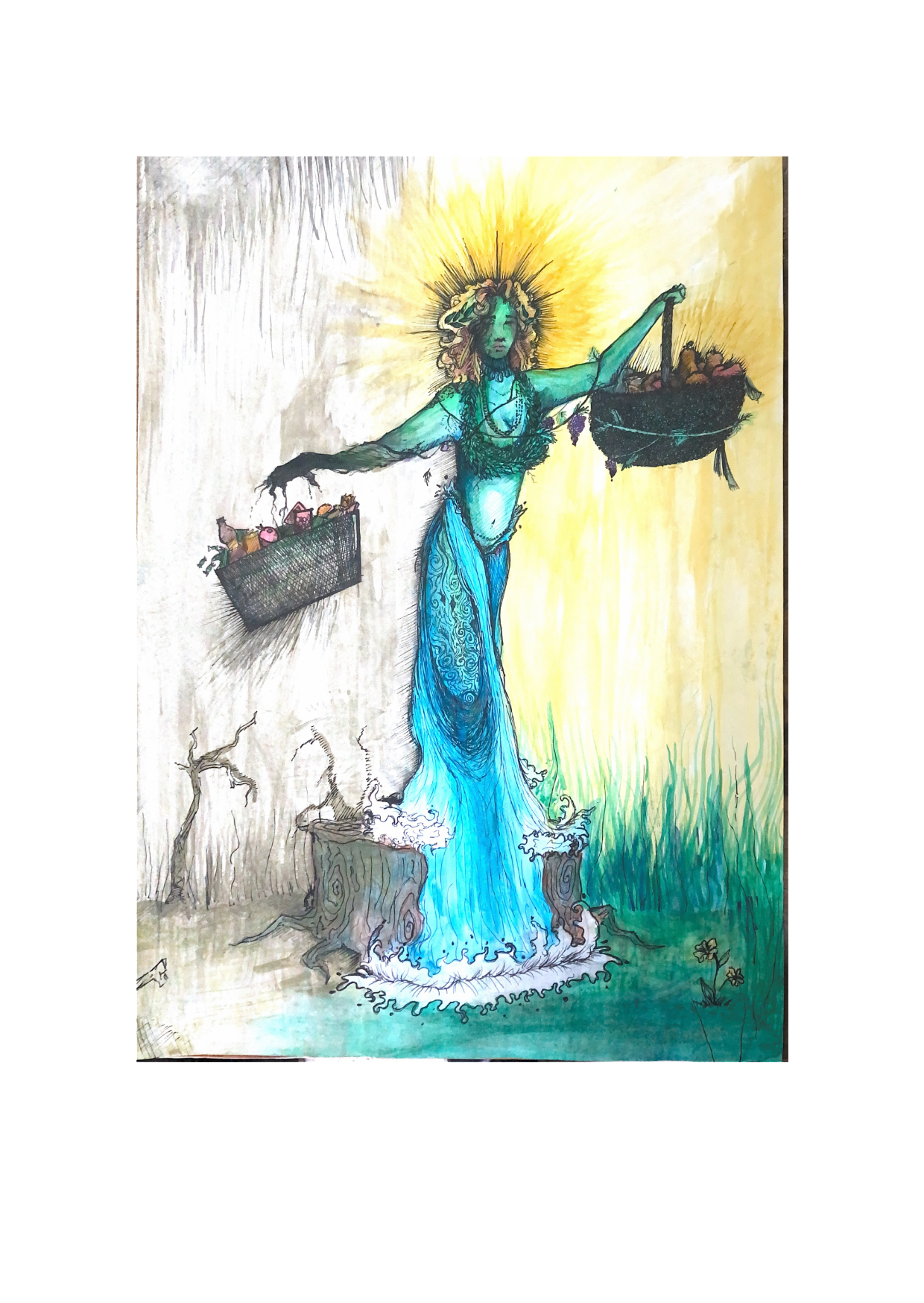
Celeste used visual art and environmental storytelling to explore the relationship between human choices, food, pollution, and the health of our planet.
The artwork places Gaia, Mother Earth, at its centre, divided between two contrasting realities. On one side, she holds fresh, natural food surrounded by abundance, biodiversity, and regeneration. On the other, she carries contaminated food, cans, and disposable packaging, representing pollution, irresponsible consumption, and environmental degradation.
Using watercolour, markers, colour contrasts, mythology, and environmental symbolism, the artwork shows how our choices can either contribute to restoring the Earth or place further pressure on it.
It demonstrates how young reporters can use creative visual expression as a powerful form of environmental communication.